-
Swaging Tools
Just as a flaring tool is used to make a flare connection, a swaging tool is used to make a permanent brazed connection. Swaging the end of your tubing is similar to flaring in that your goal is to gradually widen the end of your tube. However, swaging eliminates the use and expense of fittings,…
-
Service Tools
The tools covered are for use with soft copper only, unless otherwise noted. You’ll benefit from having a wide selection of service tools in your toolbox. Let’s start with wrenches. There are general wrenches as well as specialty wrenches. The ratchet style wrench requires only a 5° to 6° clearance to actuate its ratchet gear,…
-
Flaring Tools
Flaring soft copper tubing allows you to connect tubes to each other or to another type of fitting. Tubing that has been successfully flared has a gradually widening profile. Flaring tools are available in a variety of shapes, sizes and styles. There are full range flaring tools, flaring tool kits, and flaring tools that also…
-
Deburring Tools
Once you’ve finished cutting your tubing, it may be necessary to remove the burrs left behind on your cut. Burrs are the little metal shavings that turn up on the inside wall of your tubing at the cut point. These shavings must be completely removed or they will compromise the seal and integrity of the…
-
Cutting Tools
Cutters come in a variety of shapes and sizes. We recommend you have a few different style cutters in your toolbox in order to handle various situations out in the field. It’s also a good idea to have spare parts for all your cutting tools nearby. Service kits are available and have all the necessary…
-
Bending Tools
Every application you encounter is bound to require tube bending, and this is one procedure where practice makes perfect. Some refer to tube bending as an art form. You may want to have several of these tools in your toolbox. They range from the simple spring tube bender to the specialty ratchet hand bender. Each…
-
The Right Tools for Refrigerant Recovery
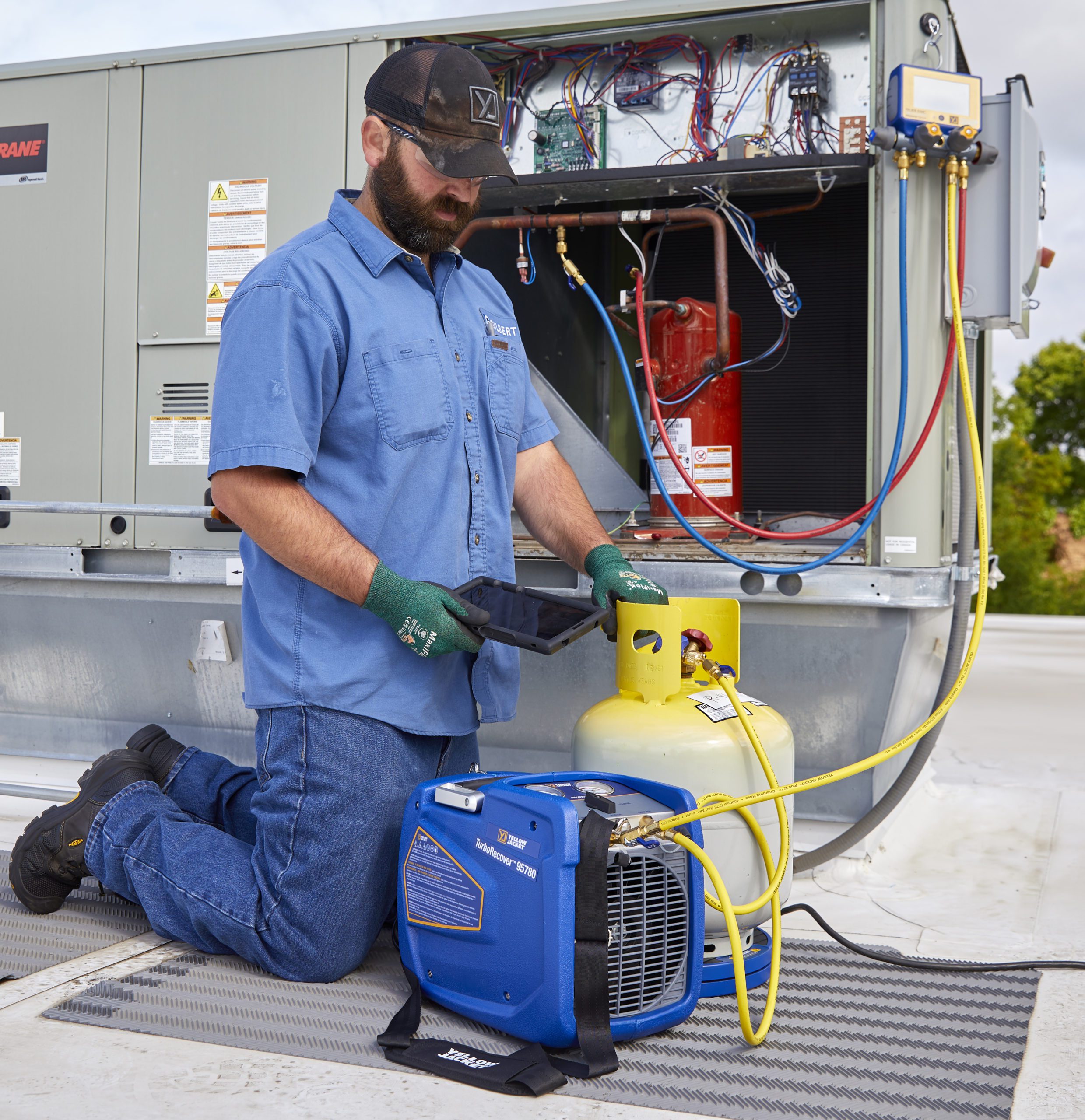
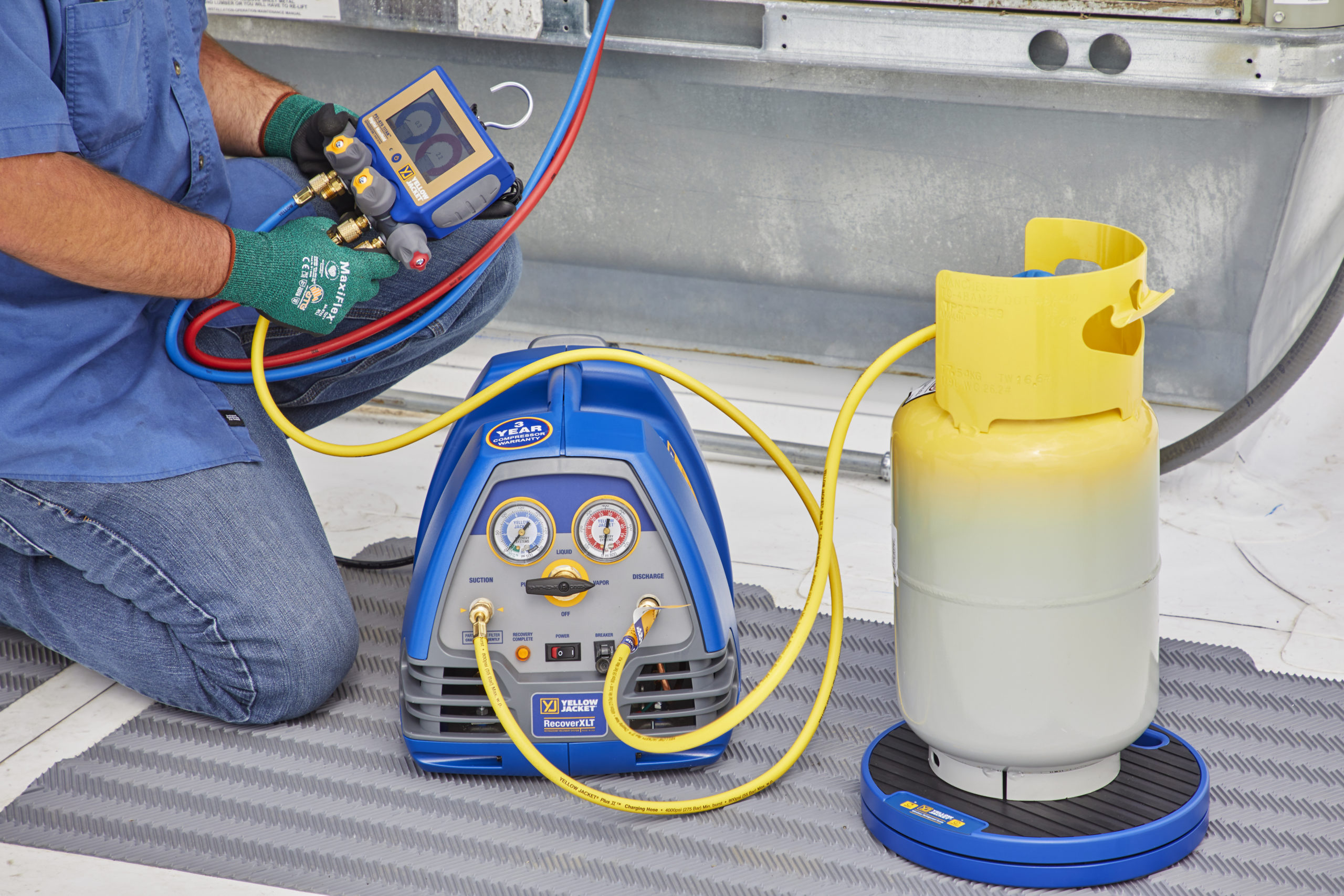
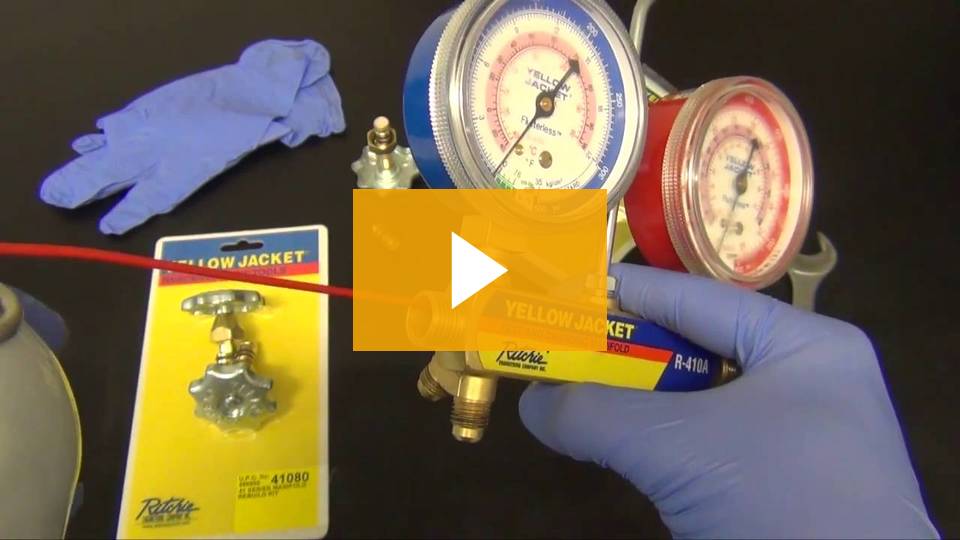
One of the most important aspects of safety in recovery is having the right equipment and understanding which type of refrigerant you‘re recovering. For example, if you’re working with R-410A, you’re working with significantly higher pressures than if you’re working with R-22. This means you may need different equipment – equipment made to handle the…
-
The Right Tools for Evacuation
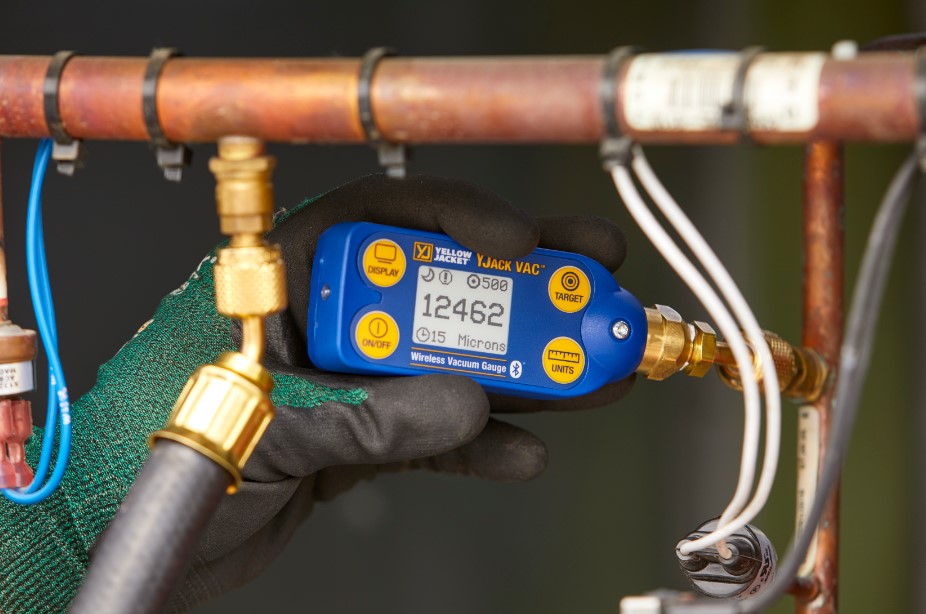
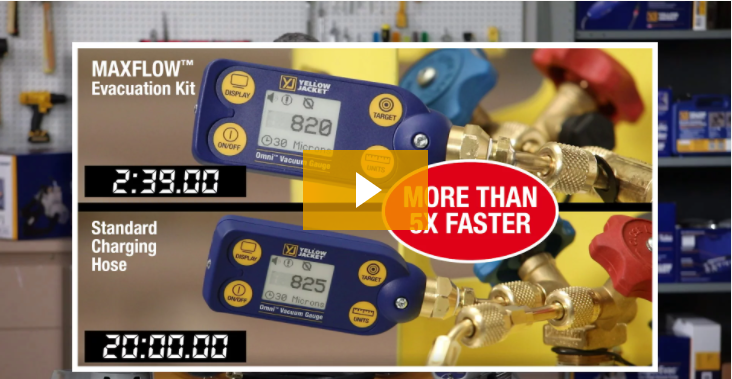
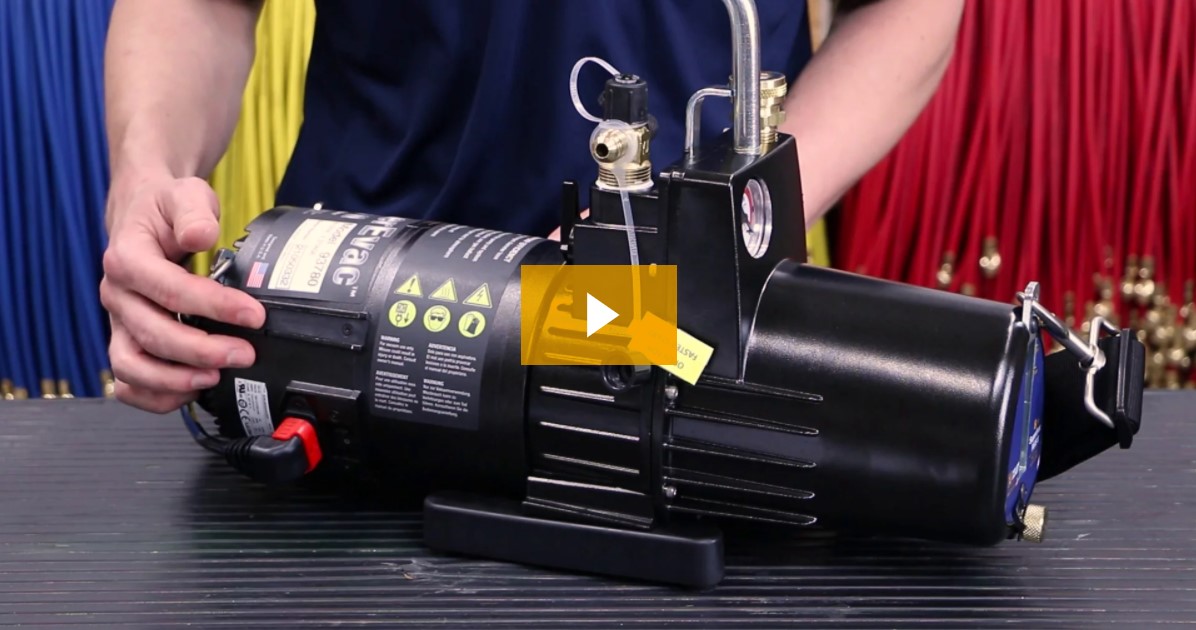
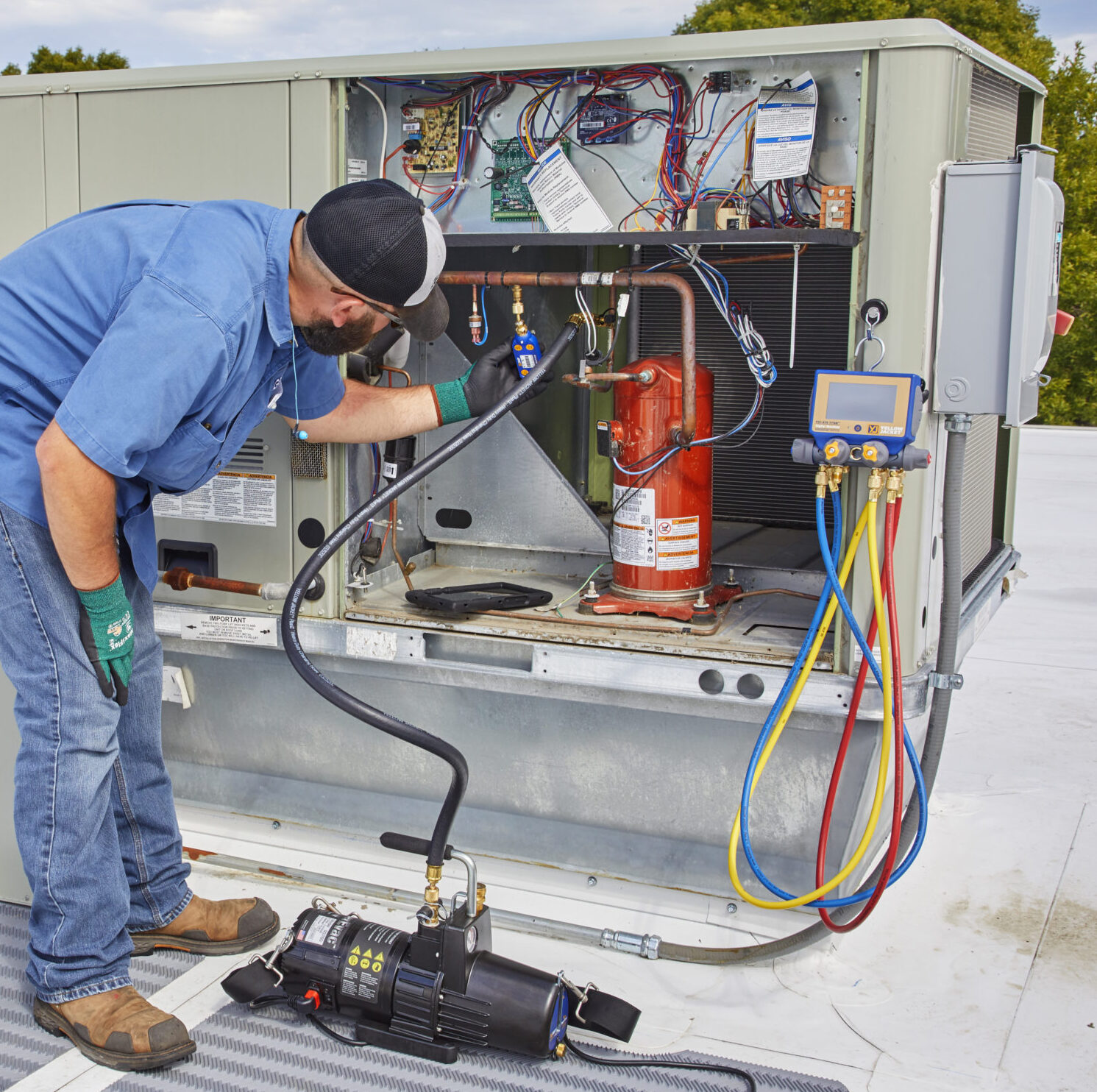
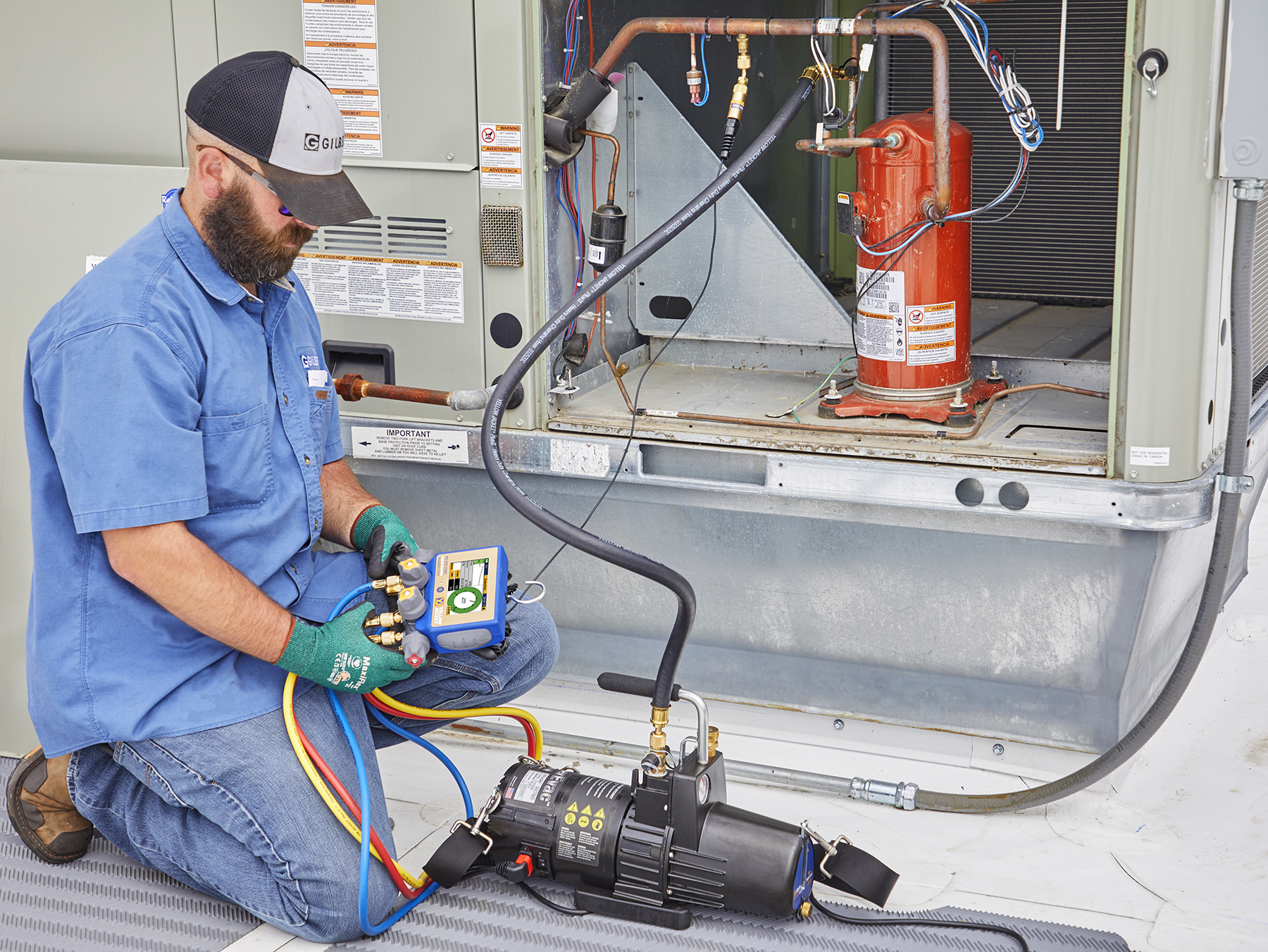
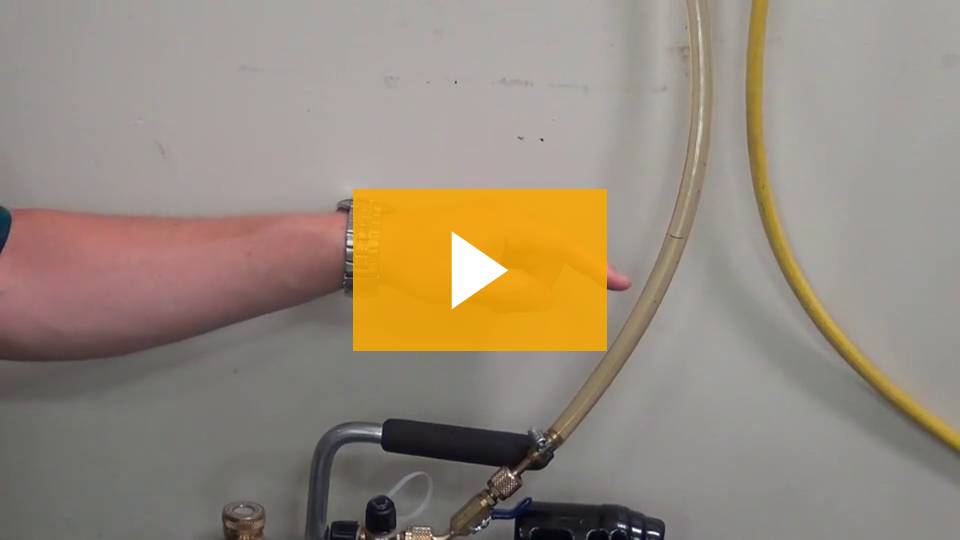
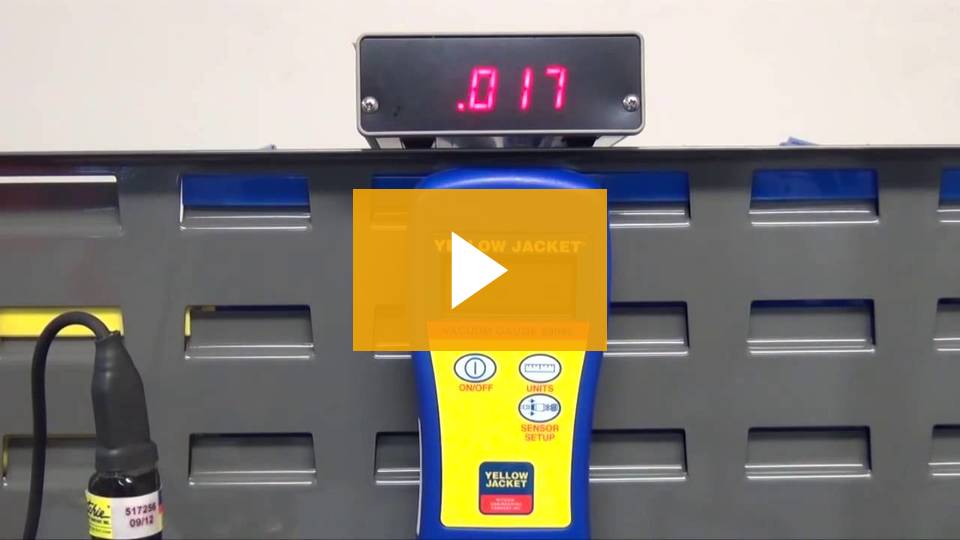
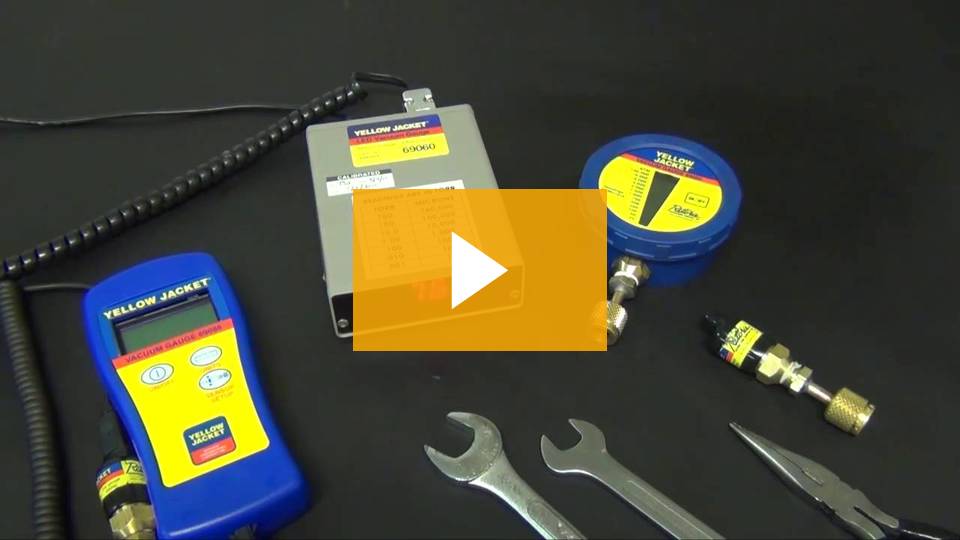
Along with a reliable pump, there are a number of other tools that will help you be more efficient in the evacuation process. Hoses Select the largest diameter hose that you can, even if your system has quarter-inch fittings. If you’re using a YELLOW JACKET vacuum pump, select a 3/8” hose with quarter-inch fittings to…